Your browser is outdated. This site works best on modern browsers such as Google Chrome or Microsoft Edge.


Register today for the third Incarcerated Scholars Conference, taking place October 28–29, 2026 around the theme, Learning in Motion. This fully virtual event is free and open to all!
Register today for the third Incarcerated Scholars Conference, taking place October 28–29, 2026 around the theme, Learning in Motion. This fully virtual event is free and open to all!
The Alliance for Higher Education in Prison is now accepting presentation proposal submissions and financial aid applications for the 16th National Conference on Higher Education in Prison, which will take place March 30–April 1, 2027, in Long Beach, CA.
The Alliance for Higher Education in Prison is now accepting presentation proposal submissions and financial aid applications for the 16th National Conference on Higher Education in Prison, which will take place March 30–April 1, 2027, in Long Beach, CA.

The Alliance for Higher Education in Prison is glad to share an additional update to our earlier message: thanks to the support of a new partner, Books to Prisoners, the Prison Education Book Connection will continue, and the Spring & Summer 2027 application cycle is open until November 4th.
The Alliance for Higher Education in Prison is glad to share an additional update to our earlier message: thanks to the support of a new partner, Books to Prisoners, the Prison Education Book Connection will continue, and the Spring & Summer 2027 application cycle is open until November 4th.
Michigan is leading the way in smart-on-crime policy by becoming the first state to turn an entire correctional facility into a secure college campus. The state Legislature recently allocated $3.9 million to transform an unused industrial-scale warehouse within Thumb Correctional Facility in Lapeer into a self-contained college center. The college will provide higher education classes to all of the over 1,000 state prisoners held at the prison. Once completed, the campus building will house dozens of classrooms, a computer room without internet, a library and a small cafe with food available for purchase by professors and students.
Michigan is leading the way in smart-on-crime policy by becoming the first state to turn an entire correctional facility into a secure college campus. The state Legislature recently allocated $3.9 million to transform an unused industrial-scale warehouse within Thumb Correctional Facility in Lapeer into a self-contained college center. The college will provide higher education classes to all of the over 1,000 state prisoners held at the prison. Once completed, the campus building will house dozens of classrooms, a computer room without internet, a library and a small cafe with food available for purchase by professors and students.

A former participant in Tufts University’s prison education program in Massachusetts allegedly opened fire off campus in May, critically injuring two people. In the months since, Tufts has paused the program’s reentry services, frozen its bachelor’s degree pathway for currently incarcerated students, and moved its founding director into an advisory role. The reentry program was a launch pad for people coming home from prison — housing, employment and financial support alongside college coursework. Now it’s on hold, and students still inside are left uncertain whether the years they’ve spent working toward a Tufts degree will lead anywhere.
A former participant in Tufts University’s prison education program in Massachusetts allegedly opened fire off campus in May, critically injuring two people. In the months since, Tufts has paused the program’s reentry services, frozen its bachelor’s degree pathway for currently incarcerated students, and moved its founding director into an advisory role. The reentry program was a launch pad for people coming home from prison — housing, employment and financial support alongside college coursework. Now it’s on hold, and students still inside are left uncertain whether the years they’ve spent working toward a Tufts degree will lead anywhere.

Ithaka S+R was commissioned by the Midwestern Higher Education Compact (MHEC) to explore the potential for, and limitations of, open educational resources (OER) and open education practices in higher education in prison. Conducted in dialogue with MHEC and the New England Board of Higher Education (NEBHE), this exploratory study draws on research, interviews, and a focus group with stakeholders from MHEC and NEBHE member states. The report is intended primarily for open education practitioners and advocates interested in understanding how OER is currently used in prison education and how they might begin working with colleagues in this field. For OER practitioners interested in entering this space, the important initial steps are to build relationships, listen to colleagues with experience in prison education, and approach the work with care.
Ithaka S+R was commissioned by the Midwestern Higher Education Compact (MHEC) to explore the potential for, and limitations of, open educational resources (OER) and open education practices in higher education in prison. Conducted in dialogue with MHEC and the New England Board of Higher Education (NEBHE), this exploratory study draws on research, interviews, and a focus group with stakeholders from MHEC and NEBHE member states. The report is intended primarily for open education practitioners and advocates interested in understanding how OER is currently used in prison education and how they might begin working with colleagues in this field. For OER practitioners interested in entering this space, the important initial steps are to build relationships, listen to colleagues with experience in prison education, and approach the work with care.
This brief shares findings from a qualitative case study examining how formerly incarcerated students exercise free speech and expression on campus and how their educational and reentry experiences shape how they elect to engage civically on campus in their community.
This brief shares findings from a qualitative case study examining how formerly incarcerated students exercise free speech and expression on campus and how their educational and reentry experiences shape how they elect to engage civically on campus in their community.
The research is clear — access to postsecondary education in prison increases the odds that individuals will secure employment after release, supporting economic stability and decreasing the likelihood of recidivism. State policymakers play an important role in ensuring incarcerated learners have access to the programs and support they need to succeed. This 50-State Comparison is intended to help state leaders understand the state policy ecosystem of higher education in prison programs across the country. It provides information on which state agencies have duties and responsibilities for programs that offer postsecondary credit, degrees, or industry-recognized credentials and on the statewide coalitions, consortia, and task forces that provide advice or support.
The research is clear — access to postsecondary education in prison increases the odds that individuals will secure employment after release, supporting economic stability and decreasing the likelihood of recidivism. State policymakers play an important role in ensuring incarcerated learners have access to the programs and support they need to succeed. This 50-State Comparison is intended to help state leaders understand the state policy ecosystem of higher education in prison programs across the country. It provides information on which state agencies have duties and responsibilities for programs that offer postsecondary credit, degrees, or industry-recognized credentials and on the statewide coalitions, consortia, and task forces that provide advice or support.
The National Governors Association (NGA) has launched a higher education in prison initiative to support Governors’ offices and senior state leaders in expanding access to high-quality postsecondary education and career pathways for people who are incarcerated. The Bridging Pathways Policy Academy helps governors and state/territory leaders close a persistent gap: higher education and corrections systems often operate under different mandates, governance structures, funding models, and data systems, which makes it hard to sustain and scale postsecondary education programs (PEPs) in correctional settings, even where individual programs are strong. Any state or territory in good standing with NGA is eligible to apply by October 23rd.
The National Governors Association (NGA) has launched a higher education in prison initiative to support Governors’ offices and senior state leaders in expanding access to high-quality postsecondary education and career pathways for people who are incarcerated. The Bridging Pathways Policy Academy helps governors and state/territory leaders close a persistent gap: higher education and corrections systems often operate under different mandates, governance structures, funding models, and data systems, which makes it hard to sustain and scale postsecondary education programs (PEPs) in correctional settings, even where individual programs are strong. Any state or territory in good standing with NGA is eligible to apply by October 23rd.

Tufts University paused its year-long prison reentry program and is auditing all prison education offerings after a former participant was charged in a May shooting in Cambridge, Mass., roughly 20 minutes from campus, the university has said. Students and faculty have protested the decision since classes resumed in early September.
Tufts University paused its year-long prison reentry program and is auditing all prison education offerings after a former participant was charged in a May shooting in Cambridge, Mass., roughly 20 minutes from campus, the university has said. Students and faculty have protested the decision since classes resumed in early September.

Students at Lusk prison graduate with University of Wyoming bachelor’s degrees, the first group to reach this milestone under a program that offers higher education to incarcerated people.
Students at Lusk prison graduate with University of Wyoming bachelor’s degrees, the first group to reach this milestone under a program that offers higher education to incarcerated people.
This playbook is intended to help college-based and community-based organizations build stronger and more intentional partnerships that support currently and formerly incarcerated students in the process of reentry, social reintegration, and the transition to campus. It draws on information collected through desk research, interviews, and sustained engagement with a cohort of college programs and community-based reentry organizations.
This playbook is intended to help college-based and community-based organizations build stronger and more intentional partnerships that support currently and formerly incarcerated students in the process of reentry, social reintegration, and the transition to campus. It draws on information collected through desk research, interviews, and sustained engagement with a cohort of college programs and community-based reentry organizations.

Access to college classes in Illinois prisons is falling further behind demand, even as the state makes progress getting people into GED and literacy programs. That’s according to data published by the Illinois Department of Corrections at the beginning of September. The number of people on educational waitlists significantly exceeds the number taking classes. Since last year, the number of people on the waitlist for college classes has increased by 80%. Around 2,600 out of the approximately 30,000 people incarcerated in Illinois are enrolled in higher education, while another 3,700 are on a waitlist, according to IDOC.
Access to college classes in Illinois prisons is falling further behind demand, even as the state makes progress getting people into GED and literacy programs. That’s according to data published by the Illinois Department of Corrections at the beginning of September. The number of people on educational waitlists significantly exceeds the number taking classes. Since last year, the number of people on the waitlist for college classes has increased by 80%. Around 2,600 out of the approximately 30,000 people incarcerated in Illinois are enrolled in higher education, while another 3,700 are on a waitlist, according to IDOC.
Earlier this summer, the Washington State Library consulted on federal legislation that aims to support state and federal prison library services. Rep. Rick Larsen introduced the bill, called the “Read for Reentry Act,” which would study the link between library services and positive outcomes for patrons after they’re released from incarceration. The Washington State Library has branches in multiple prisons, state hospitals and one juvenile facility. A report from the American Library Association suggests that prison libraries’ unique offerings better prepare patrons for life after incarceration, versus people who do not have access to these services. With the data from the study, “We would have better arguments to increase support for prison library services, whereas now things tend to sit at a theoretical level,” said Institutional Library Services Program Manager Russell Roe. Three institutional libraries serving in facilities around Washington state shared what the library represents to their patrons.
Earlier this summer, the Washington State Library consulted on federal legislation that aims to support state and federal prison library services. Rep. Rick Larsen introduced the bill, called the “Read for Reentry Act,” which would study the link between library services and positive outcomes for patrons after they’re released from incarceration. The Washington State Library has branches in multiple prisons, state hospitals and one juvenile facility. A report from the American Library Association suggests that prison libraries’ unique offerings better prepare patrons for life after incarceration, versus people who do not have access to these services. With the data from the study, “We would have better arguments to increase support for prison library services, whereas now things tend to sit at a theoretical level,” said Institutional Library Services Program Manager Russell Roe. Three institutional libraries serving in facilities around Washington state shared what the library represents to their patrons.
Research shows education opportunities increase employment prospects and decrease recidivism for individuals returning to their communities after incarceration. States are building institutional frameworks to deliver these opportunities. Learn more about how policymakers are designing coordinated programs that build economic pathways and support successful reentry.
Research shows education opportunities increase employment prospects and decrease recidivism for individuals returning to their communities after incarceration. States are building institutional frameworks to deliver these opportunities. Learn more about how policymakers are designing coordinated programs that build economic pathways and support successful reentry.
The Massachusetts Department of Correction (DOC) today announced a new six-month pilot program that will provide two incarcerated individuals with paid, supervised remote work experience through a partnership with the Alliance for Higher Education in Prison. Participants will work 20 hours a week and earn $25 an hour, with wages funded by the Alliance and Boston College. The pilot advances the DOC’s Align Initiative, a five-year strategic plan that calls for expanding access to professional work experience and preparing incarcerated individuals to find employment after release. The Alliance created two remote positions to support projects that advance its national mission. Following a competitive hiring process, the organization selected qualified applicants who earned bachelor’s degrees through Boston College’s Prison Education Program.
The Massachusetts Department of Correction (DOC) today announced a new six-month pilot program that will provide two incarcerated individuals with paid, supervised remote work experience through a partnership with the Alliance for Higher Education in Prison. Participants will work 20 hours a week and earn $25 an hour, with wages funded by the Alliance and Boston College. The pilot advances the DOC’s Align Initiative, a five-year strategic plan that calls for expanding access to professional work experience and preparing incarcerated individuals to find employment after release. The Alliance created two remote positions to support projects that advance its national mission. Following a competitive hiring process, the organization selected qualified applicants who earned bachelor’s degrees through Boston College’s Prison Education Program.
The Emerson Prison Initiative (EPI) has received a three-year, $500,000 grant from the Mellon Foundation that will fund the state’s only graduate certificate program in prison. Beginning in January 2027, the Graduate Certificate in Communication and Social Practice will be offered to 15 students at the Massachusetts Correctional Institution at Norfolk who have previously obtained their bachelor’s degrees.
The Emerson Prison Initiative (EPI) has received a three-year, $500,000 grant from the Mellon Foundation that will fund the state’s only graduate certificate program in prison. Beginning in January 2027, the Graduate Certificate in Communication and Social Practice will be offered to 15 students at the Massachusetts Correctional Institution at Norfolk who have previously obtained their bachelor’s degrees.
A companion to NASH's "Higher Education Systems in Prison Education and Campus Reentry: A National Landscape Analysis", this new guide examines how public higher education systems are coordinating, funding, and sustaining higher education in prison (HEP) programming at scale. Drawing on interviews with system-level HEP leaders across 14 programs and 15 states, the guide identifies four distinct approaches to system-level coordination and five critical indicators associated with comprehensive statewide coverage, mature programming, and sustainable funding. It is designed to support current and aspiring HEP leaders in building systemwide programs that provide high-quality, accessible higher education to incarcerated and formerly incarcerated learners.
A companion to NASH's "Higher Education Systems in Prison Education and Campus Reentry: A National Landscape Analysis", this new guide examines how public higher education systems are coordinating, funding, and sustaining higher education in prison (HEP) programming at scale. Drawing on interviews with system-level HEP leaders across 14 programs and 15 states, the guide identifies four distinct approaches to system-level coordination and five critical indicators associated with comprehensive statewide coverage, mature programming, and sustainable funding. It is designed to support current and aspiring HEP leaders in building systemwide programs that provide high-quality, accessible higher education to incarcerated and formerly incarcerated learners.
From hot plates to household materials: Teaching chemistry at Bellamy Creek. Inside a Michigan correctional facility, a GVSU faculty member is helping incarcerated students discover science.
From hot plates to household materials: Teaching chemistry at Bellamy Creek. Inside a Michigan correctional facility, a GVSU faculty member is helping incarcerated students discover science.

Dispatches from Norton's Teaching and Learning Community. Jule Thomas, professor of teaching in the Rhetoric and Composition Department at Wayne State University in Detroit, Michigan, reflects on teaching in prison.
Dispatches from Norton's Teaching and Learning Community. Jule Thomas, professor of teaching in the Rhetoric and Composition Department at Wayne State University in Detroit, Michigan, reflects on teaching in prison.
Ben Crewe and Jason Warr first met in 2002 when Jason was coming towards the end of a life sentence in HMP Wellingborough, where Ben was conducting his first major prison research project. Once released on parole after 12 years, Jason studied for an undergraduate degree in Philosophy, Logic, and Scientific Method at London School of Economics, before undertaking a Masters and PhD at the Institute of Criminology, University of Cambridge, the latter under Ben's supervision. At the suggestion of the editors of Incarceration, here they engage in an open dialogue about their thinking, collaboration and careers researching prisons. The process of producing this interview involved two steps. The first was a very free-ranging, recorded discussion in person over drinks, that established some of the key themes and questions. The second involved turning these themes into questions and addressing them iteratively in writing.
Ben Crewe and Jason Warr first met in 2002 when Jason was coming towards the end of a life sentence in HMP Wellingborough, where Ben was conducting his first major prison research project. Once released on parole after 12 years, Jason studied for an undergraduate degree in Philosophy, Logic, and Scientific Method at London School of Economics, before undertaking a Masters and PhD at the Institute of Criminology, University of Cambridge, the latter under Ben's supervision. At the suggestion of the editors of Incarceration, here they engage in an open dialogue about their thinking, collaboration and careers researching prisons. The process of producing this interview involved two steps. The first was a very free-ranging, recorded discussion in person over drinks, that established some of the key themes and questions. The second involved turning these themes into questions and addressing them iteratively in writing.
Poet, lawyer, and Freedom Reads Founder & CEO Reginald Dwayne Betts will receive the Clemente Course Public Humanities Prize on September 25, 2026 in Boston.
Poet, lawyer, and Freedom Reads Founder & CEO Reginald Dwayne Betts will receive the Clemente Course Public Humanities Prize on September 25, 2026 in Boston.

Two incarcerated interns reflect on finding purpose, professionalism, and possibility through Vera.
Two incarcerated interns reflect on finding purpose, professionalism, and possibility through Vera.
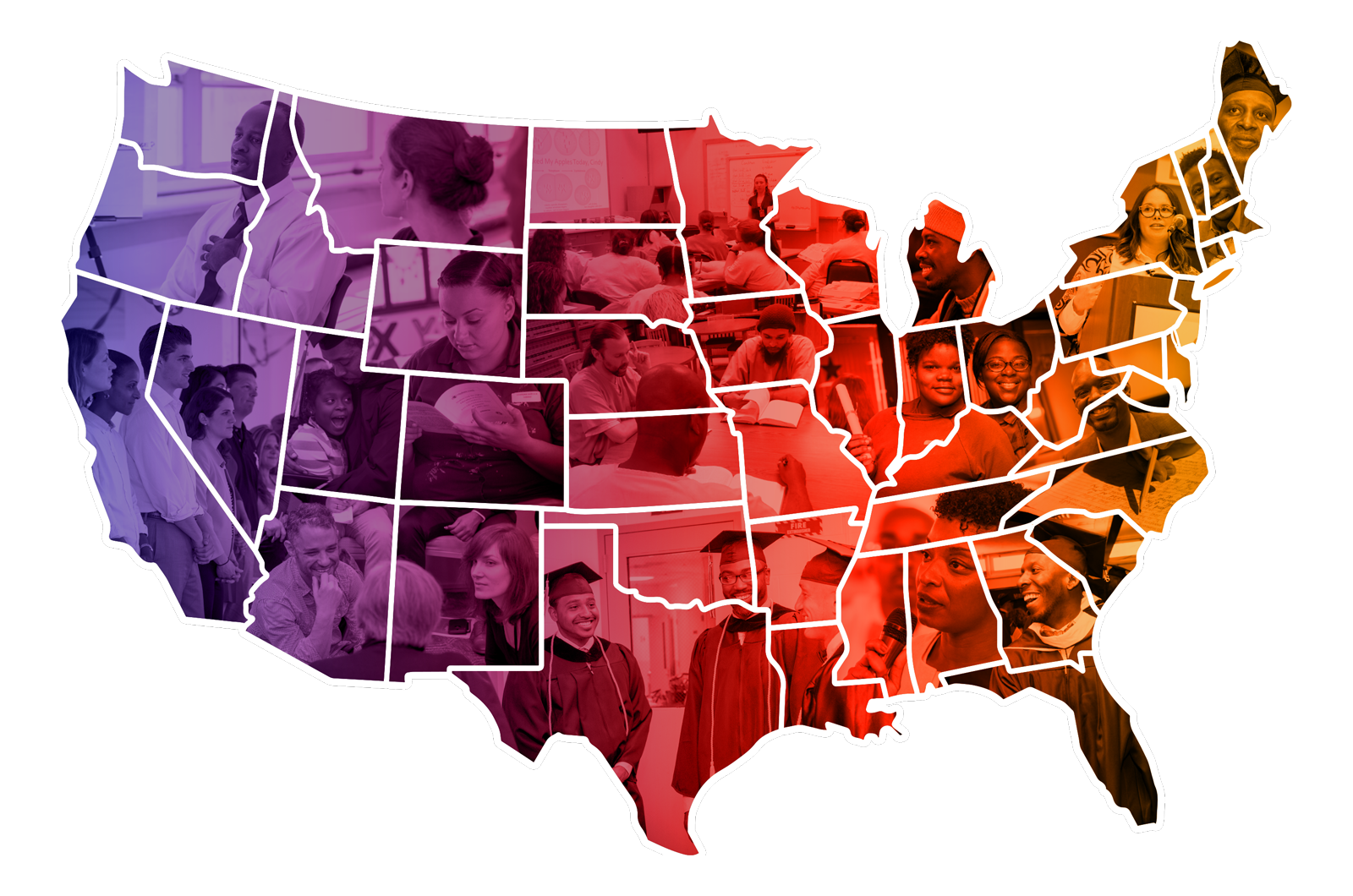
This reflects data from the 2025 Higher Education in Prison Census, conducted by researchers with the Prison Education Action Research Lab (PEARL) at the University of Utah. The National Directory is a snapshot in time based on when the data was collected, so it may not include every program or the latest updates.
This reflects data from the 2025 Higher Education in Prison Census, conducted by researchers with the Prison Education Action Research Lab (PEARL) at the University of Utah. The National Directory is a snapshot in time based on when the data was collected, so it may not include every program or the latest updates.
The National College Attainment Network (NCAN) is excited to announce their newest cohort of Justice Fellows, a group of 10 member organizations seeking to strengthen their support of justice-impacted students. Building on the first cohort, NCAN’s new two-year Justice Fellow Program will support college access and success programs and state higher education agencies with developing and implementing plans, tools, and programs to address the specific concerns of incarcerated and re-entering scholars as they pursue postsecondary education.
The National College Attainment Network (NCAN) is excited to announce their newest cohort of Justice Fellows, a group of 10 member organizations seeking to strengthen their support of justice-impacted students. Building on the first cohort, NCAN’s new two-year Justice Fellow Program will support college access and success programs and state higher education agencies with developing and implementing plans, tools, and programs to address the specific concerns of incarcerated and re-entering scholars as they pursue postsecondary education.
The Rise Up Steering Committee is seeking directly impacted scholars, educators, advocates, organizers, and leaders who are ready to help shape the future of higher education in prison and beyond. The Rise Up conference is a virtual event featuring directly impacted presenters on topics related to higher education in prison.
The Rise Up Steering Committee is seeking directly impacted scholars, educators, advocates, organizers, and leaders who are ready to help shape the future of higher education in prison and beyond. The Rise Up conference is a virtual event featuring directly impacted presenters on topics related to higher education in prison.

Formerly known as the Teaching Forward Fellowship, the Career Pathways Fellowship is a paid professional development opportunity designed to support emerging leaders through hands-on experience, career skill-building, and personal and leadership development. Grounded in SUNY’s commitment to equity, community impact, and expanding opportunity, this fellowship helps prepare participants for long-term success and meaningful engagement in their communities. Apply by August 7th for the Fall 2026 Fellowship (September-December)
Formerly known as the Teaching Forward Fellowship, the Career Pathways Fellowship is a paid professional development opportunity designed to support emerging leaders through hands-on experience, career skill-building, and personal and leadership development. Grounded in SUNY’s commitment to equity, community impact, and expanding opportunity, this fellowship helps prepare participants for long-term success and meaningful engagement in their communities. Apply by August 7th for the Fall 2026 Fellowship (September-December)
Workforce Pell officially took effect July 1, opening a new stream of federal aid to students in short-term credential programs. For prison education, though, the deadline has come and gone without much change. The program’s basic design — focused on fast completion and quick job placement — wasn’t built with incarcerated students in mind. None of that means Workforce Pell is off-limits for prison education. But a stack of structural barriers, some specific to corrections settings and some due to the general requirements, mean it will likely take much longer to reach students inside prisons.
Workforce Pell officially took effect July 1, opening a new stream of federal aid to students in short-term credential programs. For prison education, though, the deadline has come and gone without much change. The program’s basic design — focused on fast completion and quick job placement — wasn’t built with incarcerated students in mind. None of that means Workforce Pell is off-limits for prison education. But a stack of structural barriers, some specific to corrections settings and some due to the general requirements, mean it will likely take much longer to reach students inside prisons.

With Pell Grant eligibility restored, more colleges are expanding programs in prisons. But one critical question remains: how are these programs funded, and how do we make them sustainable? RTI is launching a new study, supported by Ascendium's Education Philanthropy, to better understand how college programs in prisons are financed—so institutions and corrections agencies can build and sustain high-quality programs.
With Pell Grant eligibility restored, more colleges are expanding programs in prisons. But one critical question remains: how are these programs funded, and how do we make them sustainable? RTI is launching a new study, supported by Ascendium's Education Philanthropy, to better understand how college programs in prisons are financed—so institutions and corrections agencies can build and sustain high-quality programs.
After a brief overview of the study’s methods and data, we present a portrait of the field: What services and materials do law libraries provide to incarcerated patrons? How do they communicate with them? What volume of requests do they receive, and how much staff time do they devote to this work? What relationships do they maintain with correctional agencies and individual facilities? The second half of the report turns to the experiences of the librarians themselves. Drawing on interview data, we examine the challenges they face, the innovations and effective practices they have developed, and the lessons they believe may be useful to others engaged in this work.
After a brief overview of the study’s methods and data, we present a portrait of the field: What services and materials do law libraries provide to incarcerated patrons? How do they communicate with them? What volume of requests do they receive, and how much staff time do they devote to this work? What relationships do they maintain with correctional agencies and individual facilities? The second half of the report turns to the experiences of the librarians themselves. Drawing on interview data, we examine the challenges they face, the innovations and effective practices they have developed, and the lessons they believe may be useful to others engaged in this work.
Jobs for the Future (JFF), the Correctional Education Association (CEA), and the Alliance for Higher Education in Prison (the Alliance) have formed a strategic partnership to continue and build upon the legacy of the past four cohorts of the Corrections Education-to-Employment Leadership Academy (CELA), previously led by the Vera Institute of Justice. Now embedded as a Stakeholder Leadership Network within JFF’s Fair Chance to Advance (FC2A) Initiative, this next generation of the CELA cohort experience will focus on developing the capacities of education-in-corrections leaders to: leverage their roles within an individual agency or institution, modernize the delivery of postsecondary education within correctional facilities, and act as key players shaping their states’ broader fair chance ecosystem through the intentional development of education-to-employment pathways that lead to quality jobs with opportunities for economic advancement.
Jobs for the Future (JFF), the Correctional Education Association (CEA), and the Alliance for Higher Education in Prison (the Alliance) have formed a strategic partnership to continue and build upon the legacy of the past four cohorts of the Corrections Education-to-Employment Leadership Academy (CELA), previously led by the Vera Institute of Justice. Now embedded as a Stakeholder Leadership Network within JFF’s Fair Chance to Advance (FC2A) Initiative, this next generation of the CELA cohort experience will focus on developing the capacities of education-in-corrections leaders to: leverage their roles within an individual agency or institution, modernize the delivery of postsecondary education within correctional facilities, and act as key players shaping their states’ broader fair chance ecosystem through the intentional development of education-to-employment pathways that lead to quality jobs with opportunities for economic advancement.
The University of Utah Prison Education Project (UPEP) is convening a national cohort of higher education in prison programs to build Student Centers in women’s designated prisons. Over the course of three years, cohort members will collaborate to refine a scalable, student-led model of educational support inside prisons. UPEP’s Student Center model emphasizes leadership development, collective learning, consensus decision-making, and student empowerment. In the first year, cohort participants will learn about the model through Zoom calls and in-person training at the University of Utah. Participating programs will receive $20,000 per year ($40,000 total) to support the development of their Student Centers. Ideally, these funds will be dedicated to compensating incarcerated Education Advocates running Student Centers, ensuring their leadership and labor are formally recognized and supported. Applications due August 1st.
The University of Utah Prison Education Project (UPEP) is convening a national cohort of higher education in prison programs to build Student Centers in women’s designated prisons. Over the course of three years, cohort members will collaborate to refine a scalable, student-led model of educational support inside prisons. UPEP’s Student Center model emphasizes leadership development, collective learning, consensus decision-making, and student empowerment. In the first year, cohort participants will learn about the model through Zoom calls and in-person training at the University of Utah. Participating programs will receive $20,000 per year ($40,000 total) to support the development of their Student Centers. Ideally, these funds will be dedicated to compensating incarcerated Education Advocates running Student Centers, ensuring their leadership and labor are formally recognized and supported. Applications due August 1st.
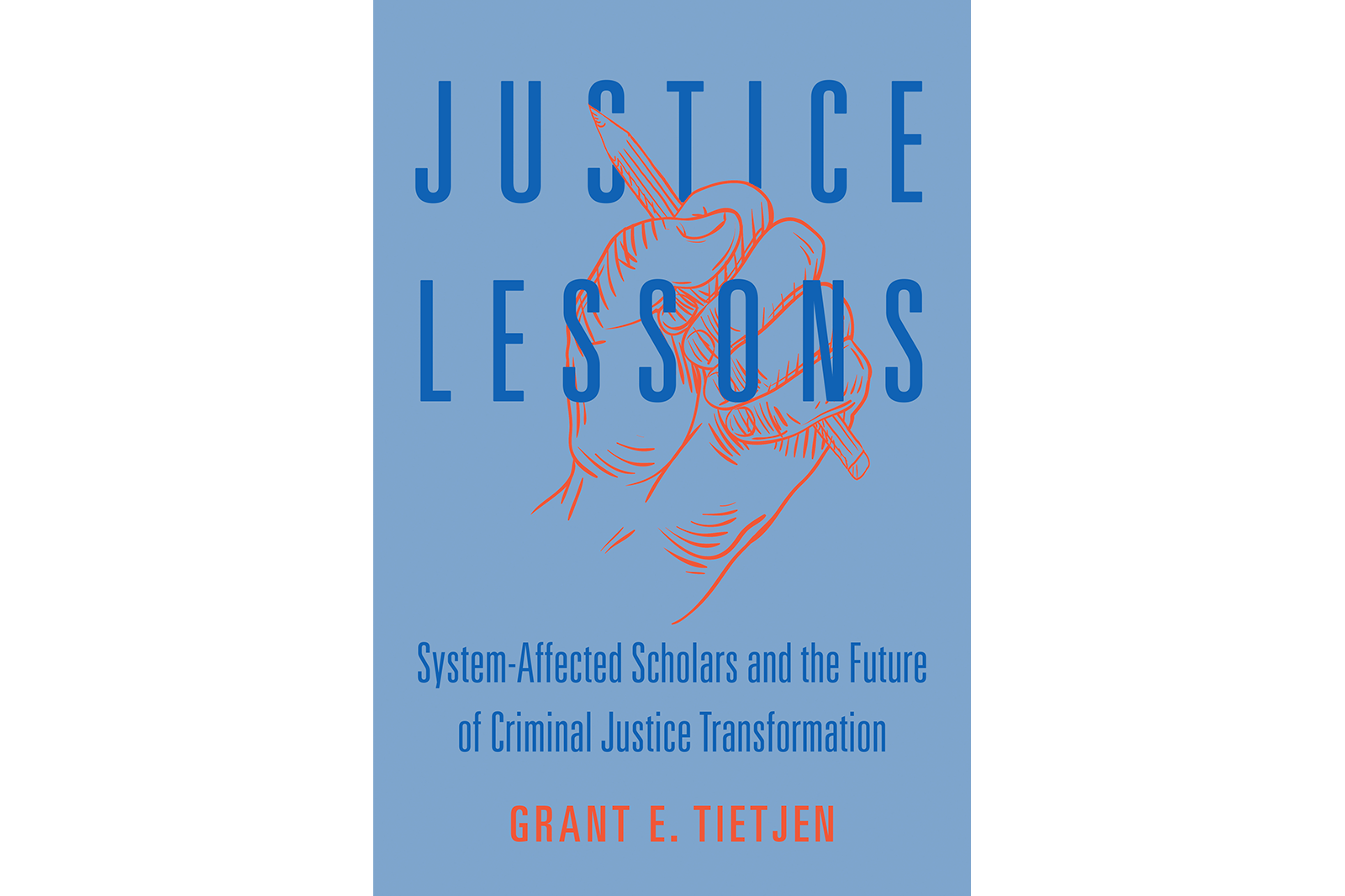
Since the 1990s, the community of scholar-activists who have had contact with the criminal legal system has grown rapidly, solidifying into an international movement. Drawing on in-depth conversations with system-affected academics as well as his own experience with incarceration, Grant E. Tietjen traces the history, positive impacts, and future promise of this movement. By offering networks of support to system-affected people seeking higher education and using the perspectives afforded them by their lived experiences to push their disciplines forward, the movement effects reciprocal changes between the individual and the entire institution of higher education. These changes, Tietjen argues, ripple outward and stand to contribute to the wider movement against carceral responses to harm.
Since the 1990s, the community of scholar-activists who have had contact with the criminal legal system has grown rapidly, solidifying into an international movement. Drawing on in-depth conversations with system-affected academics as well as his own experience with incarceration, Grant E. Tietjen traces the history, positive impacts, and future promise of this movement. By offering networks of support to system-affected people seeking higher education and using the perspectives afforded them by their lived experiences to push their disciplines forward, the movement effects reciprocal changes between the individual and the entire institution of higher education. These changes, Tietjen argues, ripple outward and stand to contribute to the wider movement against carceral responses to harm.
Philanthropic funders increasingly seek to understand how lived experience shapes leadership and program design, especially for work supporting people impacted by incarceration. Nonetheless, there is a lack of clear guidance on how to define, measure, and responsibly collect information about grantees’ lived experience. The overarching goal of the initiative is to provide recommendations for collecting such data.
Philanthropic funders increasingly seek to understand how lived experience shapes leadership and program design, especially for work supporting people impacted by incarceration. Nonetheless, there is a lack of clear guidance on how to define, measure, and responsibly collect information about grantees’ lived experience. The overarching goal of the initiative is to provide recommendations for collecting such data.
